 Madeira Trip Guide
 from $79.00
Madeira Skywalk, Porto Moniz, Seixal & Fanal 4WD Tour
A full-day open-roof Land Rover tour reaching Porto Moniz, Seixal, Fanal forest and Ponta do Sol, with a lunch break and free pickup.
Check AvailabilityMadeira, Portugal is a mountain island you walk, not a beach island you lie on. Since 1 January 2026 every classified trail needs a booked slot on the SIMplifica portal, and the famous PR1 crossing from Pico do Areeiro to Pico Ruivo is one-way past Pedra Rija with no return transport. This guide settles where to go first, which trails need booking and what they cost, where to base yourself, and whether to drive or join a tour.
Every classified trail on Madeira now needs a booked SIMplifica slot before you set foot on it, at $5.17 (€4.50) for most trails and $12.06 (€10.50) for the full PR1 crossing to Pico Ruivo. Five to seven days covers Funchal, the high peaks, one levada, the north-west pools and the eastern peninsula, while three days forces you to choose. Most visitors sleep in Funchal and either hire a car or join day tours to reach the west and the mountains. Remember that the coast and the peaks are two different climates on the same day. The one-way PR1 exit is the single biggest planning trap on the island.
Key takeaways
Six choices decide how good your week on Madeira turns out, and each one has its own page.
Rank the island's sights before you rank its days, because the big names sit far apart.
Pick one ridge walk and one levada, then book both slots before anything else.
Funchal carries the widest choice, but every town has its grill houses and its poncha.
Funchal suits a first visit, the north and west suit a second base once you have a car.
A car buys freedom, buses cover the coast, tours remove the mountain parking problem.
The sea half of the island runs from whale trips off Funchal to a second island entirely.
Madeira looks small on a map and drives slow on the ground. These six areas fill almost every first-time itinerary, so know what each one asks of you.
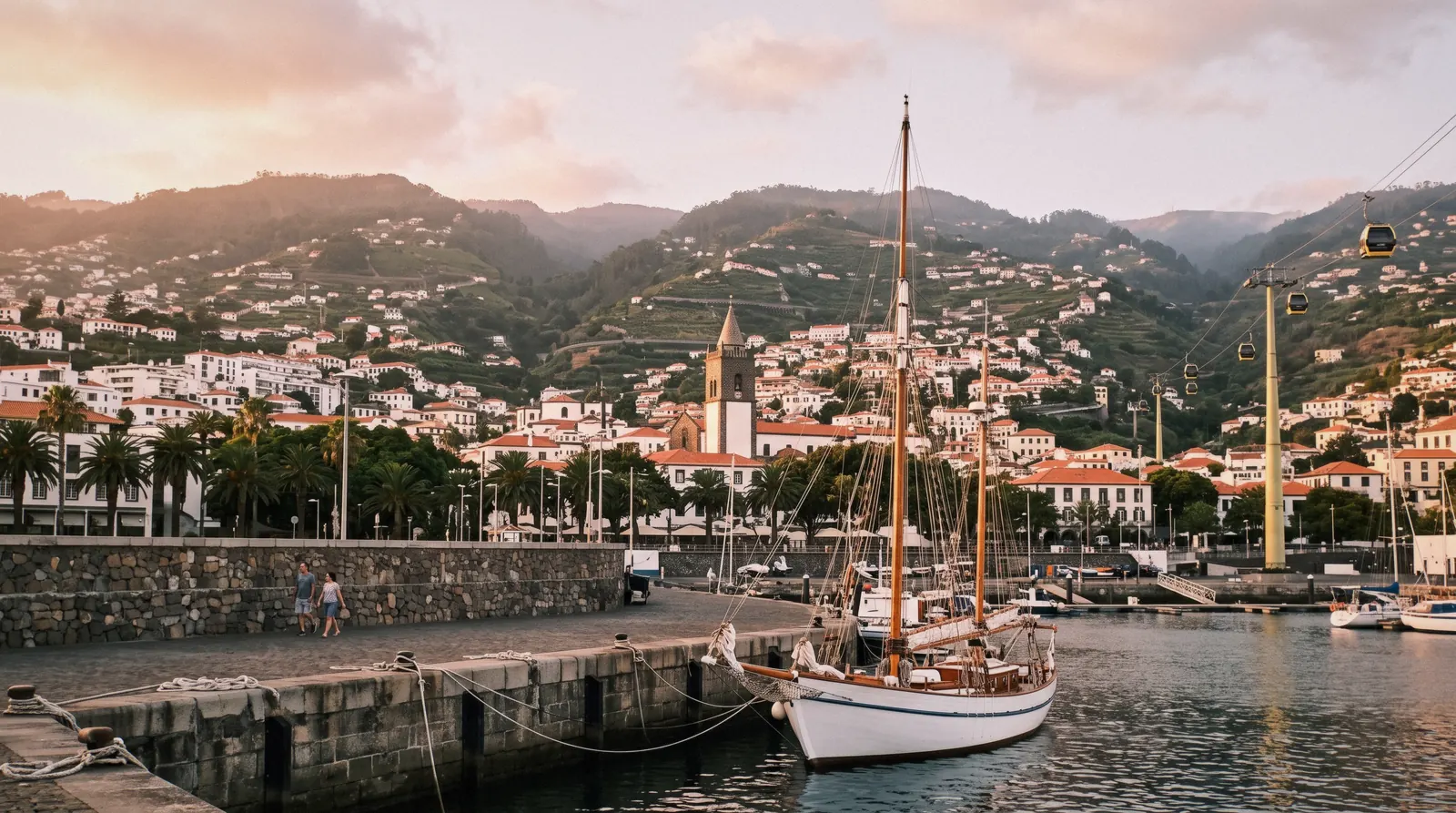
Funchal holds about 105,782 people of the region's 250,744, and most visitors sleep here for the whole trip. The city sits in a south-facing amphitheatre, so hotels, restaurants and the marina are all within walking distance of each other. The old town, the market and the seafront are the first day. The cable car to Monte leaves from the old town end of the seafront. Read the Funchal guide and the old town page before you book a room.
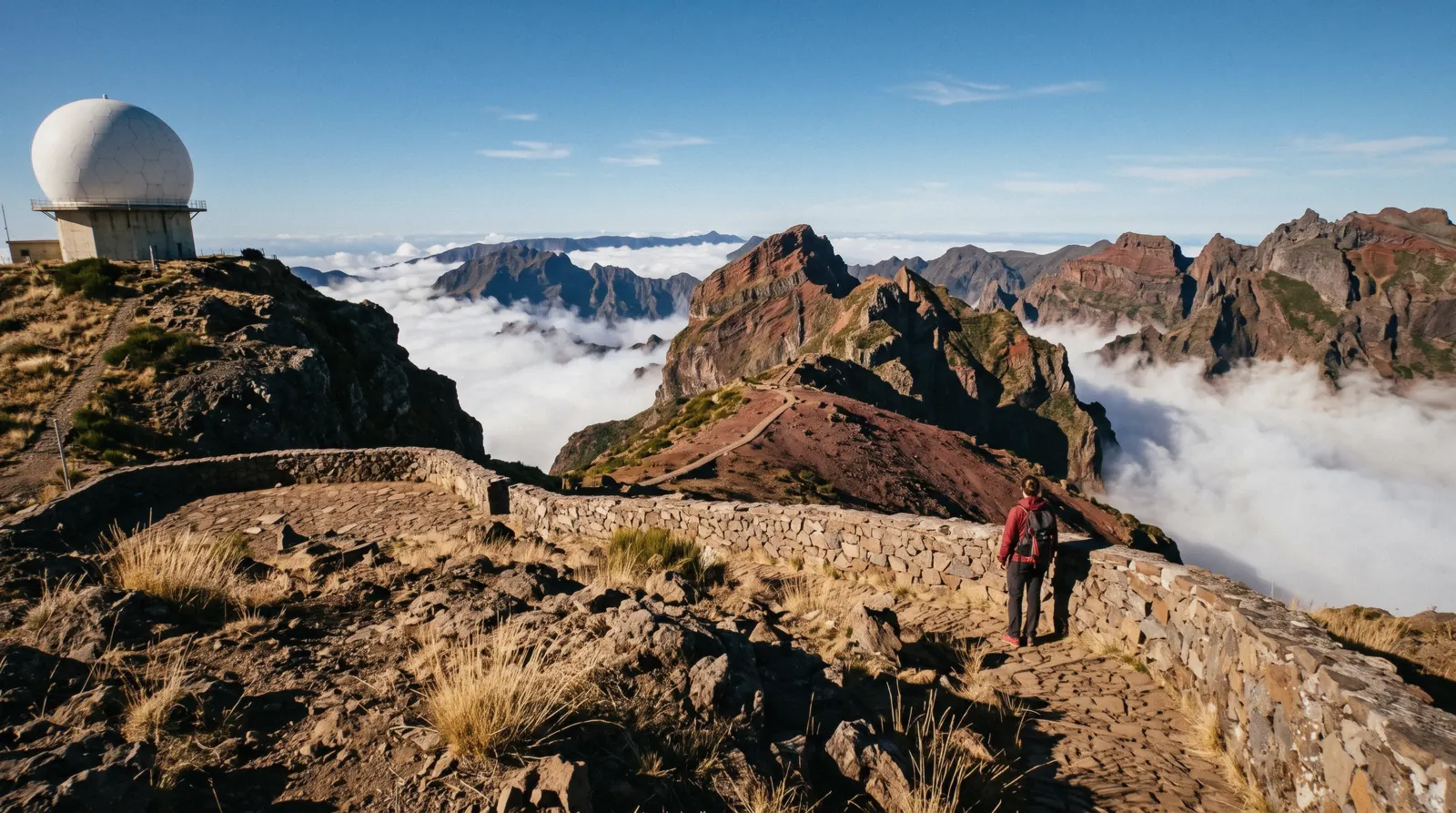
Pico do Arieiro is the trailhead everyone photographs, a summit car park where the clouds often sit below you. It is the start of PR1 and the island's classic sunrise spot. Arrive before dawn and you will share the car park with tour vans, arrive late and the fog can take the whole view. The Pico do Arieiro page covers access and the weather gap between coast and peak.
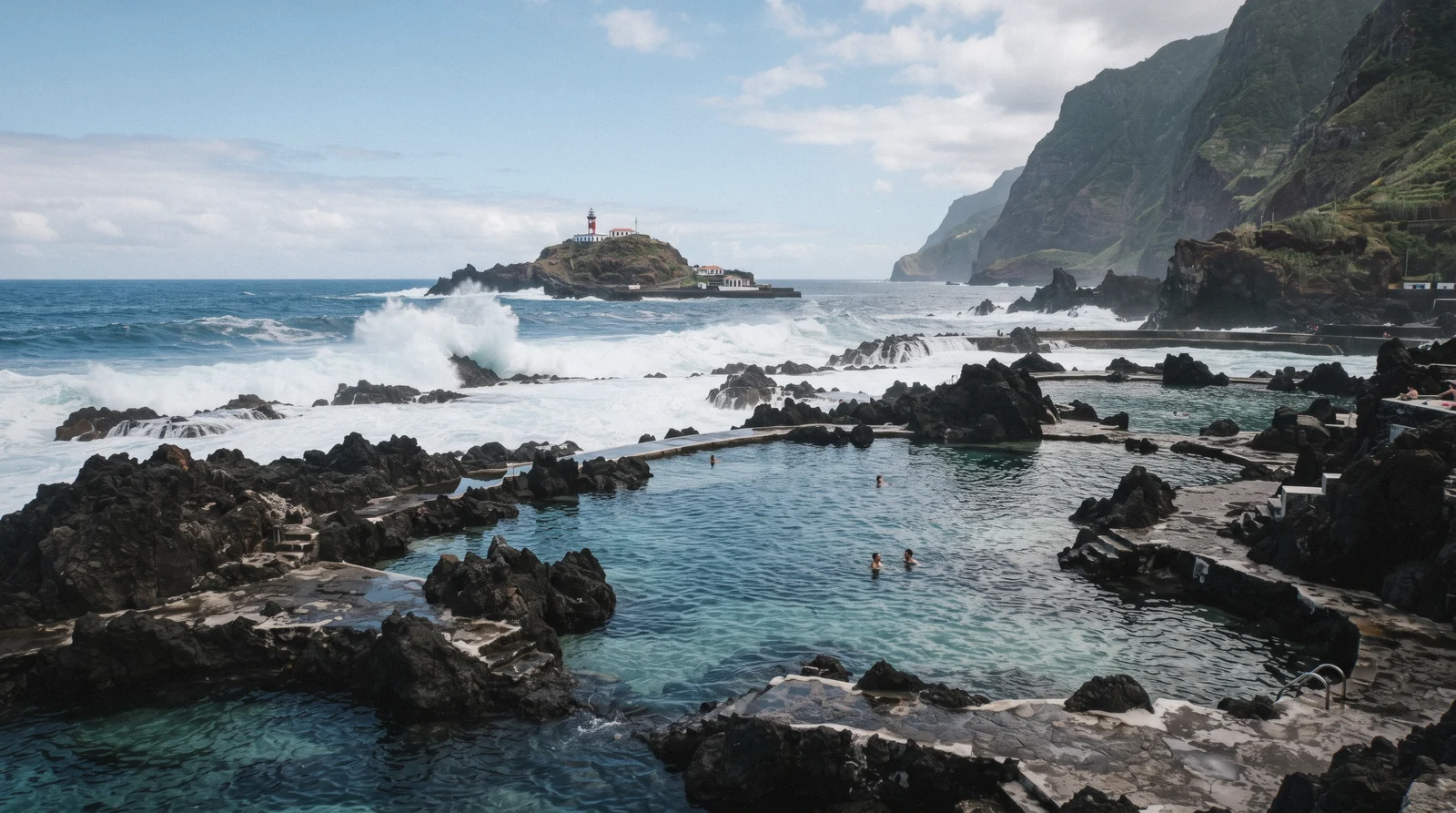
The north-west is the island's slowest and most scenic drive, through cliff tunnels and banana terraces. Porto Moniz sits at the end of it with natural lava pools open all year, 09:00-17:00 in winter and 09:00-19:00 in summer, at $3.44 (€3) for visitors over 3. Nearby Seixal adds a black sand beach and green valleys. Give the whole corner a full day, because the roads leave no room for rushing.
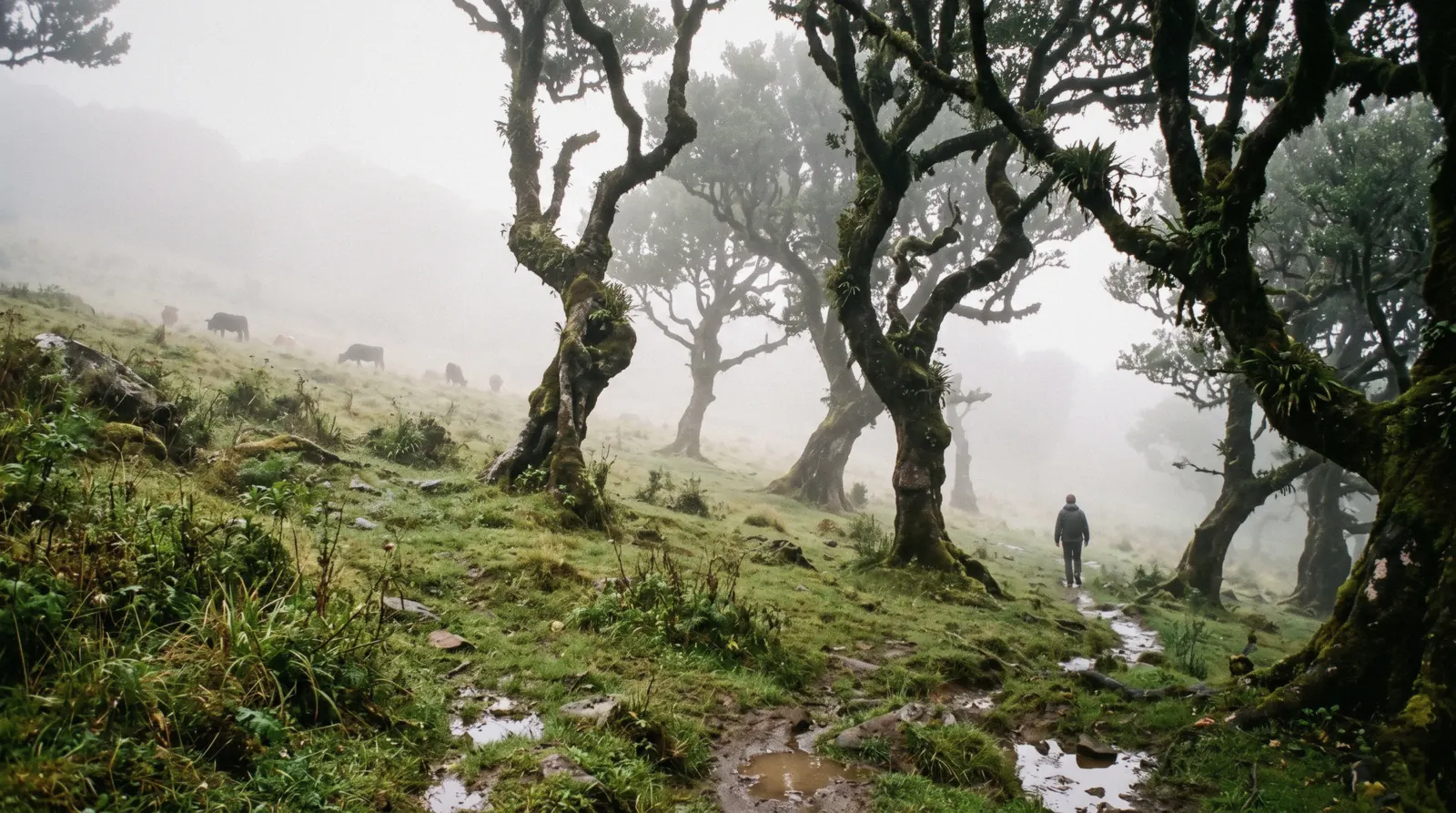
Fanal is a high plateau of old, bent laurel trees that people photograph in drifting mist. It belongs to the Laurisilva of Madeira, the laurel forest inscribed on the UNESCO World Heritage List in 1999. The plateau sits high enough to have its own weather, so check the mountain forecast and bring a layer. The Fanal page explains access, parking and when the fog helps.
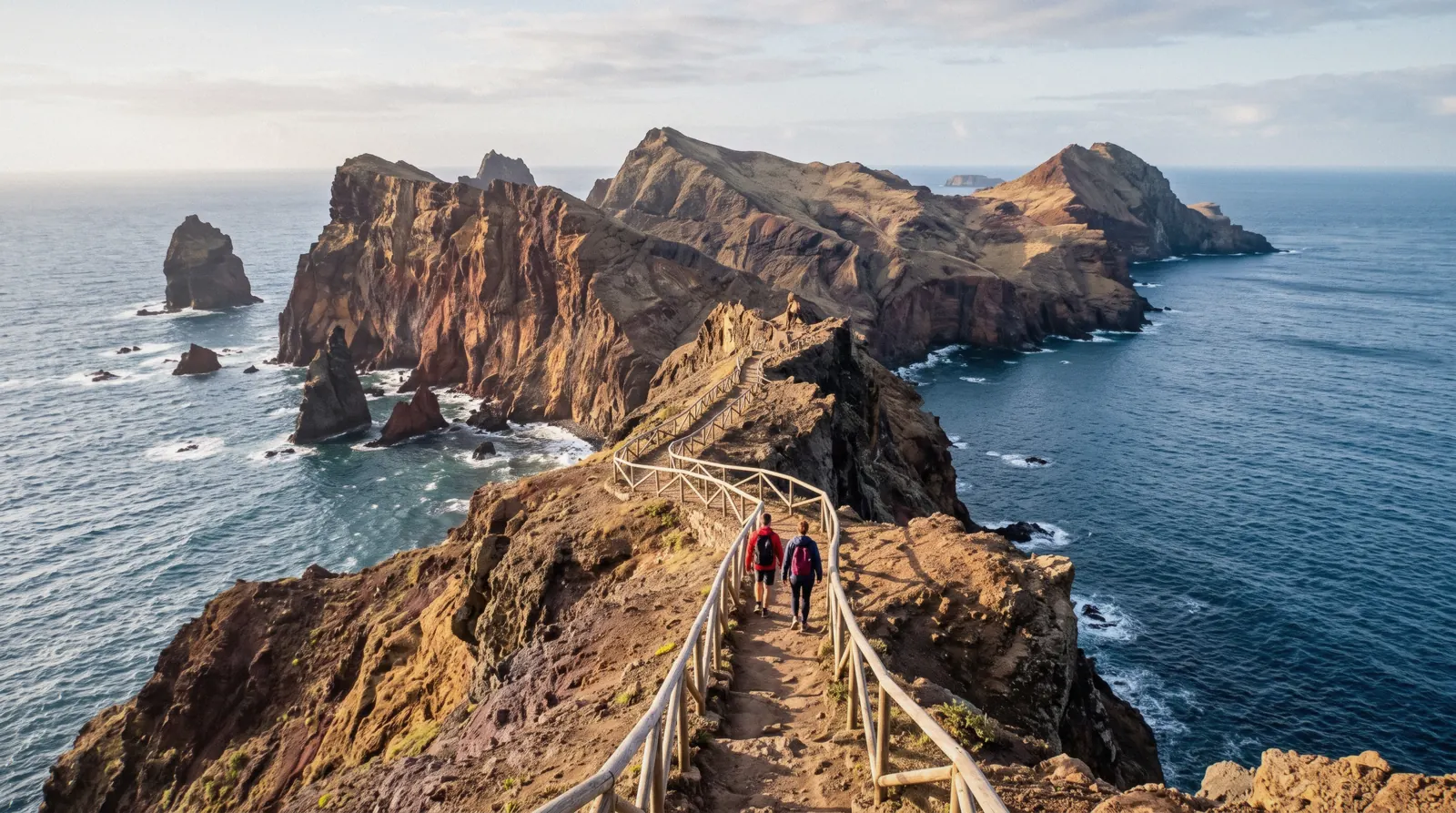
Ponta de São Lourenço is the island's dry east, a bare ridge of coloured rock with the sea on both sides. PR8 runs from Baía d'Abra to Cais do Sardinha, 4 km each way, and it feels more like a desert peninsula than a subtropical island. Shade is scarce on the ridge, so carry water and start early. It pairs with Santana and its thatched houses on an eastern day out.
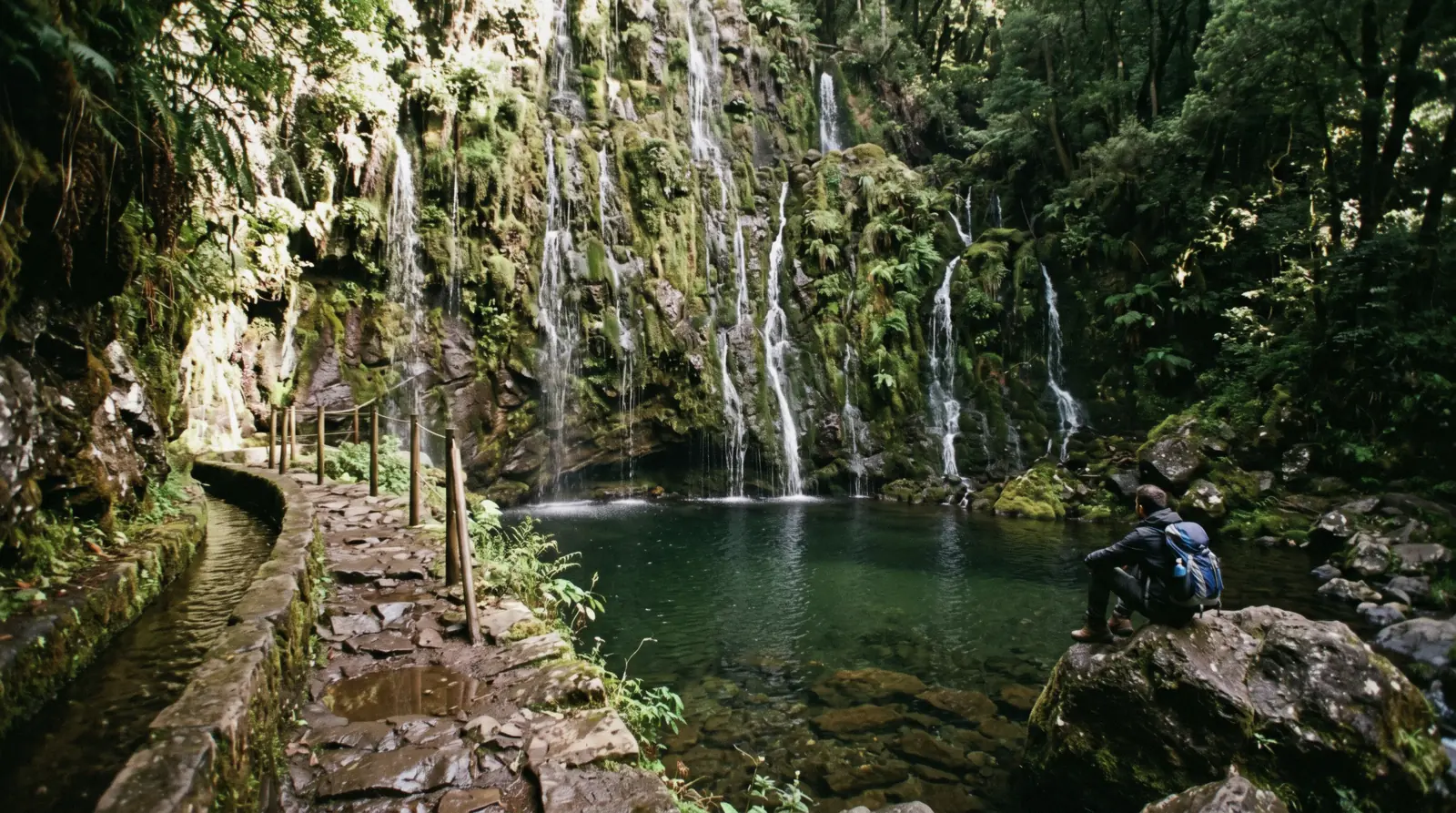
Rabaçal is the green heart of the walking island, the valley where two famous levadas start. PR6 Levada das 25 Fontes runs 4.3 km each way to a spring-fed amphitheatre of waterfalls, with one-way circulation, out along the levada and back on the bypass route. PR6.1 Levada do Risco adds 3 km each way to a single tall fall. The road down to Casa do Rabaçal is closed to private cars, so you park above and walk down or take a shuttle. The 25 Fontes page has the working details.
Madeira compresses a city, a mountain ridge, a subtropical forest and a lava coast into one small island. The full sight list holds every candidate, and these six come first for almost everyone.
Start on foot in the Zona Velha, the old town, where painted doors line the narrow streets and small restaurants spill onto the cobbles. A short walk away is the Mercado dos Lavradores, the farmers' market where flower sellers in traditional dress sit among fruit stalls, and where the exotic fruit prices deserve a glance before you buy. The lower cable car station for Monte sits at this end of the seafront, and the promenade runs west from there past the marina.
If you want the story told properly, the Funchal Old Town walking tour at $19.00 covers the old town, the Farmers' Market, a wine lodge and a historic sweet factory in two hours. The Funchal old town page maps the whole quarter. Give the city its own first day before the mountains.
The cable car from central Funchal climbs to Monte, and the fares, the garden entry and the toboggan are compared in the table below. At the top sits the Monte Palace Tropical Garden, tickets at the kiosk or online on its own site, and the palace interior is not open to visitors. From Monte a second cable car runs to the Botanical Garden, or you take the famous wicker toboggan down, Monday to Saturday, tickets on the spot only.
The toboggan finishes in Livramento, a different place from the start, so budget the ride back. The combined ticket page is Monte cable car and toboggan tickets.
| At Monte | Adult price | Hours and rules |
|---|---|---|
| Cable car Funchal to Monte | $18.37 (€16) one way, $25.30 (€22) return | Daily 08:45-17:45, closed Christmas Day, ages 7-14 half price, under 7 free |
| Monte Palace Tropical Garden | $20.70 (€18) | 09:00-19:00 April-September, 09:00-18:00 October-March, under 15 free with an adult |
| Cable car Monte to Botanical Garden | $12.63 (€11) one way | Garden entry $11.48 (€10) for visitors over 12 |
| Monte toboggan | $34.40 (€30) one, $45.90 (€40) two, $68.90 (€60) three | Monday-Saturday 09:00-18:00, no advance booking |
This is the image on every postcard, a jagged basalt ridge where you can stand above a floor of clouds. Pico do Arieiro has a car park at the summit, reached by a steep mountain road. The classic move is sunrise, when the tour vans arrive in the dark and the first light turns the ridge gold. From here PR1 runs 6.1 km to Pico Ruivo, the island's highest peak, and the trail reopened on 1 May 2026 after a two-year closure.
Remember the rule that changes everything: past Pedra Rija the trail is one-way toward Ruivo, and IFCN provides no transport back to a car left at Arieiro. Book the slot first, then decide how you will get home. The Pico do Arieiro page covers the access road and the weather window.
Levadas are the old irrigation channels that carry water from the wet north to the dry south, and nearly every one has a maintenance footpath beside it. That path is what you walk. The two most wanted start at Rabaçal, where PR6 Levada das 25 Fontes runs 4.3 km each way through laurel forest to a wall of springs, walked one-way out and back on a bypass route.
PR9 Levada do Caldeirão Verde from Queimadas runs 8.7 km each way to a green cauldron of water. Both sit inside the UNESCO-listed laurel forest, inscribed in 1999, and both now need booked slots. In the north, Levada do Rei runs 5.3 km each way.
The levada walks hub sets out what each route involves.
Point a car west and keep going. The north coast road threads through tunnel after tunnel along cliffs that drop straight into the Atlantic, and the landscape changes from banana terraces to raw basalt. At the end sits Porto Moniz, where lava flows reached the sea and hardened into natural pools, with entry at $3.44 (€3) for visitors over 3, open all year, 09:00-17:00 in winter and 09:00-19:00 in summer.
Back along the coast, Seixal holds a black sand beach under green cliffs and one of the island's best roadside views. Do the whole corner in one day, because the distances are short but the road is slow. If you would rather not drive it, the Madeira Skywalk, Porto Moniz, Seixal and Fanal 4WD tour covers the loop from Funchal in eight hours.
Just west of Funchal, Cabo Girão is a sheer sea cliff with a glass-floored skywalk that lets you stand over the drop. Standing on the skywalk is ticketed: the regional SIMplifica ticket for the Cabo Girão skywalk is $5.74 (€5) per adult, free for children 12 and under and Madeira residents, daily 08:00-20:00, sold on the SIMplifica portal. Between the cliff and Funchal lies Câmara de Lobos, a working fishing town around a small bay where the painted boats and the church square make an easy afternoon.
Neither stop needs a whole day, so pair them with the north-west run or with a wine tasting back in Funchal. The viewpoints page lists what the cliff and its neighbours offer.
The prices below are the platform's listed US-dollar figures, and the land tours here include hotel pickup in Funchal while the boat leaves from the marina. A transfer also solves the PR1 one-way problem, because the van collects you at Achada do Teixeira instead of you walking back to a car.
from $79.00
A full-day open-roof Land Rover tour reaching Porto Moniz, Seixal, Fanal forest and Ponta do Sol, with a lunch break and free pickup.
Check Availability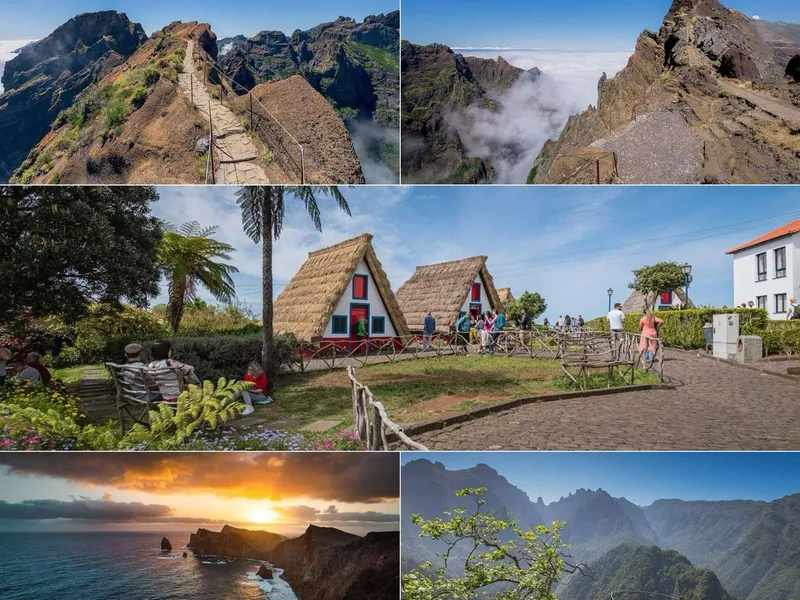 from $42.00
A full east-coast day linking Pico do Arieiro's viewpoint, the flat Balcões levada walk, Ribeiro Frio's laurel forest and Santana's thatched houses.
Check Availability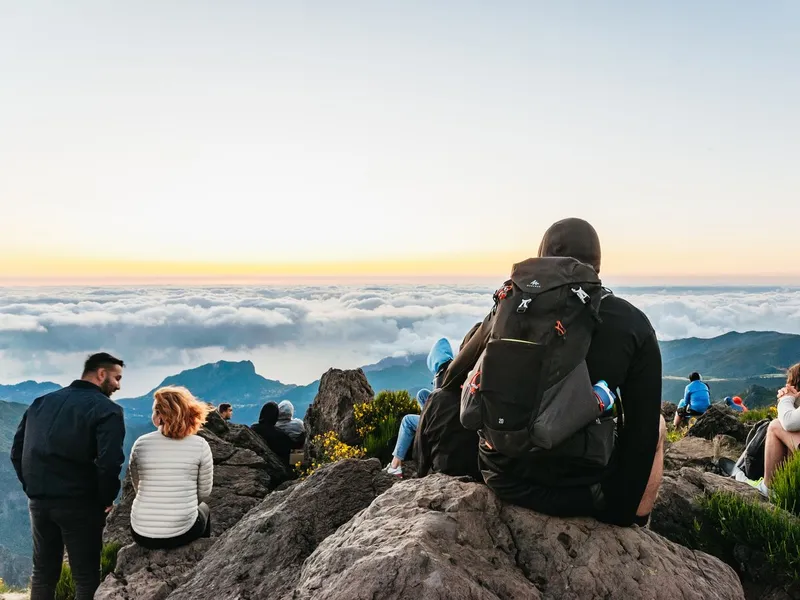 from $56.00
A transfer-only package to Pico do Arieiro for sunrise, with a later pickup from Achada do Teixeira for hikers doing the PR1 trail on their own.
Check Availability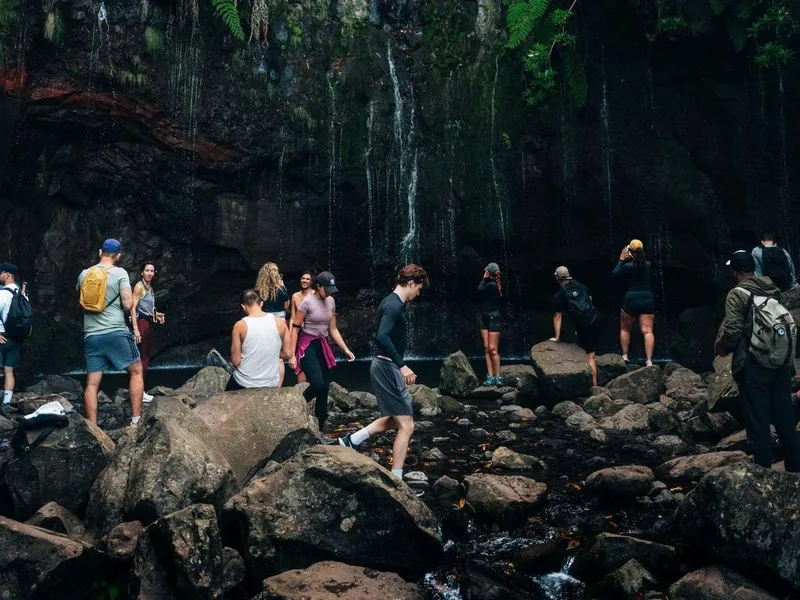 from $50.00
A transfer to Rabaçal covering both the 25 Fontes and Risco waterfall levadas, with a route map instead of a guided walk.
Check Availability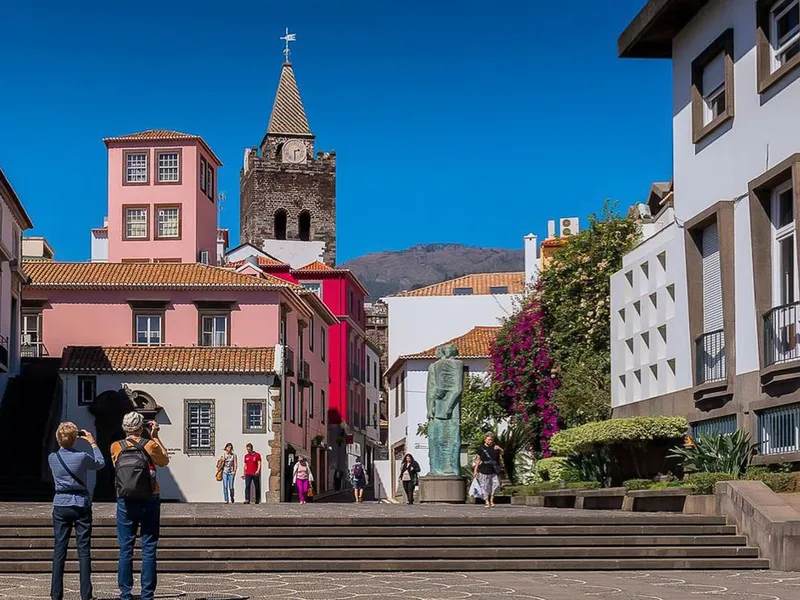 from $19.00
A 2 hour small-group walk through Funchal's Old Town, the Jesuits' College, the Farmers' Market, a wine lodge and a historic sweet factory.
Check Availability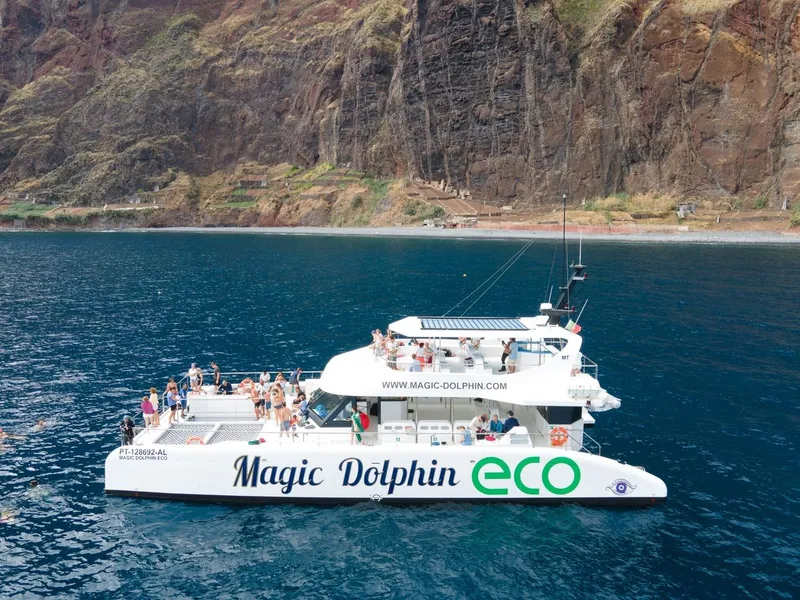 from $40.00
An electric-assisted catamaran trip off Funchal with land-based whale spotters, two decks and wheelchair-accessible toilets.
Check AvailabilityPrices, ratings and details are the platform's own. dollar figures are the listed prices — the platform bills in your account's currency.
How long you need depends on how many long driving days you accept. Each row below says what fits in that many days and what you leave out.
| Days you have | What fits | What you give up | Plan it |
|---|---|---|---|
| 3 days | Funchal on foot, one mountain sunrise at Pico do Arieiro and one levada at Rabaçal | The north-west pools, Ponta de São Lourenço and any second base | Madeira in 3 days |
| 5 days | All of the three-day list plus the north-west and the eastern peninsula, with room for a boat trip | A rest day, and the small museums of Funchal | Madeira in 5 days |
| 7 days | The full circuit, with a second base in the west or north, Fanal, the Desertas or a whale trip and a slow day in Funchal | Porto Santo, which needs its own day or two | Madeira 7 day itinerary |
| 10 days with Porto Santo | Everything above at an easier pace, plus the ferry crossing to Porto Santo | Nothing much, which is the point | Porto Santo |
Every extra day lowers the driving load, which matters on an island of mountain roads and tunnels.
Three facts now shape every walk on this island, and all of them come from IFCN, the regional forest and nature authority that manages the classified trails.
Since 1 January 2026, every classified walking trail, the PR routes, requires a prior booking on the regional SIMplifica portal at simplifica.madeira.gov.pt. IFCN takes no bookings and no payments at its own offices, so turning up at a trailhead without a booking means turning around. Each day is split into capacity-limited entry slots, with roughly 15 minutes of tolerance around your booked time.
The booking system applies the most advantageous rate for you automatically. The rules are set out in IFCN's own fee FAQ. The full fee schedule and the booking walkthrough live on Madeira trail fees, and the wider trail choice is on hikes in Madeira.
| Trail or pass | Fee | What it covers |
|---|---|---|
| Any single classified trail | $5.17 (€4.50) | One PR route for a non-resident visitor, PR1 excluded |
| PR1 full crossing | $12.06 (€10.50) | Pico do Areeiro to Pico Ruivo, the complete reopened trail |
| PR1 to Pedra Rija only | $5.17 (€4.50) | The two-way section from Pico do Areeiro to the Pedra Rija viewpoint |
| 1-day pass | $10.33 (€9) | Two or more trails in one day, PR1 never included |
| 7-day pass | $60.30 (€52.50) | Two or more trails across a week, PR1 never included |
Three groups walk free but must still book: Madeira residents, children aged 12 and under, and people with a disability of 60 percent or higher plus one companion. Same-day and next-day bookings are possible, and a slot whose capacity is reached is blocked automatically. Refunds are only granted if the authorities close or restrict the trail on your booked date, and you must claim within 10 working days.
If you plan a walking-heavy week, the passes explained on Madeira trail fees usually beat paying per trail, always remembering that no pass ever includes PR1. IFCN's register table lists distances only. Walking times appear on its trailhead boards, which do not say whether a time is one way or return, so read them with that in mind.
PR1 reopened on 1 May 2026 after a two-year closure, and it comes with a rule that catches people out. The trail is two-way only between Pico do Areeiro and the Pedra Rija viewpoint. From Pedra Rija to Pico Ruivo it is one-way, toward Ruivo, so you cannot turn around and walk back the way you came.
IFCN organises and guarantees no return transport to Pico do Areeiro, so a car left at the top stays there. Either exit on PR1.2 to Achada do Teixeira, 2.8 km each way from that trailhead, or exit on PR1.1 to Ilha, and arrange your own pickup. IFCN also closes sections of PR1 on announced works days, so check the live register the day before.
The cleanest fix is the Pico do Arieiro sunrise and Ruivo PR1 hike transfer, which drops you at Arieiro for sunrise and collects you at Achada do Teixeira. The exit options in detail are on Pico Ruivo.
Some routes you may have read about are closed on the IFCN register. On Madeira that list covers PR7 Levada do Moinho, PR20 Vereda do Jardim do Mar, PR27 Glaciar de Planalto, PR28 Levada da Rocha Vermelha, the PR1 east branch via Pico das Torres, and PR3 on Porto Santo. Status changes with weather and works, so check the live IFCN table before you build a day around any single route.
The walks that are open still reward the booking effort, and the levada walks hub keeps a working shortlist.
Island cooking is honest food for people who work the land and the sea, and it costs a fraction of the views it comes with.
Espetada is beef skewered on a laurel branch and grilled over vine embers, and bolo do caco is the round sweet-potato bread that arrives with garlic butter at almost every table. From the sea come lapas, grilled limpets with garlic and butter, and espada, black scabbard fish served with fried banana, a combination that sounds wrong and eats perfectly. Milho frito, cubes of fried cornmeal, turn up as the side dish everywhere.
The staple drinks sit beside the food, poncha in the villages and Madeira wine with dessert. All the dishes, their names and where each one belongs are laid out on typical food in Madeira, which is worth reading before your first market visit.
Poncha is the island's own drink, sugarcane spirit beaten with honey and lemon juice, and every village bar claims its own version. It is strong, cheap and social, best taken slowly with a small glass of water alongside. Then there is the wine that carries the island's name. Madeira wine is fortified and deliberately heated as it ages, which is why an opened bottle keeps far longer than table wine.
In Funchal you can taste it where it was aged, at Blandy's Wine Lodge, where the Lodge Tour costs $19.52 (€17) for 30 minutes and the Premium Tour $26.40 (€23) for 45 minutes. The longer tours add older vintages, and the prices for those are on the lodge page.
Two habits find you good food fast. First, walk one street back from the waterfront, where the menus translate into local prices and the grills are family run. Second, look at what the dish of the day is, because the fish on the board is the fish that came in.
The where to eat in Madeira page sorts the island by town, and its Funchal section is the guide to eating in the capital. Cooking for yourself changes the picture, and the market is the place to shop. Dietary needs are catered for more than the island's reputation suggests, and the gluten free and vegan Madeira page tracks which kitchens take them seriously.
After dinner, the evening continues in the bars listed on Madeira nightlife.
Where you sleep decides how much of your week goes to driving, so choose the base before you choose the room.
For a first visit of four to seven days, Funchal is the practical answer. Restaurants, the old town, the marina and the cable car are all walkable, and every tour operator and airport bus runs through the city. You lose nothing by basing here, because the expressways put the west in about a day trip's reach and the east even closer.
Compare rooms by area on where to stay in Madeira, then shortlist with the best hotels in Madeira or go leaner with the cheap hotels in Madeira. One extra cost applies inside the Funchal municipality, explained below, and it applies regardless of where you booked.
On trips of a week or more, many travellers split the stay, sleeping two or three nights away from the capital to cut the long drives. Calheta on the sunny south-west coast works for the north-west days, the pools and Fanal. Santana in the north puts you close to the eastern trails and the thatched-house postcard scenery. The tradeoff is honest: the north is greener and cooler, the south drier, and mountain villages can sit in cloud while Funchal bakes. If you prefer self-catering for a split stay, the apartments in Madeira page lists the options by region, which keeps a two-base week affordable.
Funchal charges a municipal tourist tax of $2.30 (€2) per person per night on paid overnight stays, in force since 1 October 2024. It is charged for at most 7 consecutive nights, so the maximum is $16.07 (€14) per person per stay, our sum from those two official figures. The cap applies per continuous stretch, so a break in the middle of a stay resets it.
The tax applies whatever booking channel you used, and free stays are exempt. Build it into your budget when you compare where to stay in Madeira, because it shows up on the bill at the end rather than in the room rate.
Madeira's roads are better than their reputation, but the terrain decides the pace, so pick your transport deliberately.
A car buys you sunrise at Pico do Arieiro and a spontaneous stop at every cliff, and the expressway system VE1 to VE4, with all its tunnels, is entirely toll-free. You drive on the right, and the minimum rental age is set by each company rather than by any regional rule, so check the small print before you book. The honest warning is about the mountain roads, which are steep, narrow and quick to fog, so plan summit drives for clear hours.
You land at Madeira airport east of Funchal, and the expressway covers the transfer fast. Everything from insurance excesses to fuel stations is covered on car hire in Madeira.
The island's buses were reorganised in July 2024 into the SIGA system, and the eastern company once called SAM now runs as CAM, so old blog timetables will confuse you. Buses serve the coasts well and the mountains thinly, which is why walkers often mix buses with tours. In the west, Rodoeste publishes clear on-board fares on its Funchal routes, shown below.
The full network, the smart cards and the airport connections sit on getting around Madeira.
| Rodoeste ticket, Funchal routes | Fare |
|---|---|
| 1 zone | $1.49 (€1.30) |
| 2 zones | $2.53 (€2.20) |
| Up to 8 zones | $6.89 (€6) |
Without a car, tours are not a compromise, they are often the better tool. They remove the parking problem at trailheads like Rabaçal, where the last stretch of road down to Casa do Rabaçal is closed to private cars, and they make the PR1 one-way exit somebody else's logistics. Browse the full range on Madeira tours, or use taxis in Madeira for shorter hops where a fixed fare beats a rental day.
For the far north-west, the full-day Porto Moniz, Seixal and Fanal 4WD tour at $79.00 covers in eight hours what costs a full driving day on your own. For sunrise hikes, the transfer tours carry you up in the dark and meet you at the other end.
Average daily high by month in Celsius with the Fahrenheit reading underneath, from the IPMA 1991-2020 climate normal for the Funchal station at 58 metres. The high peaks are much colder and wetter than these coastal figures.
Almost all the rain falls from October to March, while Funchal's summer is nearly dry. The mountains run their own climate, so read Madeira weather by month, pick your window on the best time to visit Madeira and match it to Madeira events.
Two worked days, one in the city and one on the mountain, built only from the operators' own published prices.
Here is the classic city day at official prices, the cable car up, the garden at the top, the toboggan down and a night in town. It is not a cheap day, but every figure below is the operator's own, and the toboggan is genuinely one of a kind. Skip the toboggan and the day drops to $48.20 (€42), our sum, and the free sights in Madeira fill a whole alternative day at no cost.
Ticket details for the cable car and the sledge together are on Monte cable car and toboggan tickets.
| Item | Cost | Source |
|---|---|---|
| Cable car to Monte, return | $25.30 (€22) | Madeira Cable Car |
| Monte Palace Tropical Garden | $20.70 (€18) | Monte Palace Madeira |
| Monte toboggan, one person | $34.40 (€30) | Carreiros do Monte |
| One night of tourist tax | $2.30 (€2) | Câmara Municipal do Funchal |
| Our sum $82.70 (€72) before food and the ride back from Livramento |
A trail day costs less and gives more. One classified trail runs $5.17 (€4.50) in fees, or $12.06 (€10.50) for the full PR1 crossing to Pico Ruivo, booked on SIMplifica. Add the Porto Moniz pools at $3.44 (€3) if the day turns into a coast run, and the car or tour on top, which is the biggest variable of all.
A hire day, a bus at $1.49 to $6.89 (€1.30 to €6) depending on zones, or a shared tour from $42.00 to $79.00 are the three brackets to choose between. The full budget picture, food included, is on what Madeira costs.
Madeira Cable Car, Monte Palace Madeira, Carreiros do Monte, Câmara Municipal do Funchal, IFCN and Câmara Municipal do Porto Moniz. Figures current in Q3 2026.
Three ready-made plans, each built around booked trail slots and real driving times.
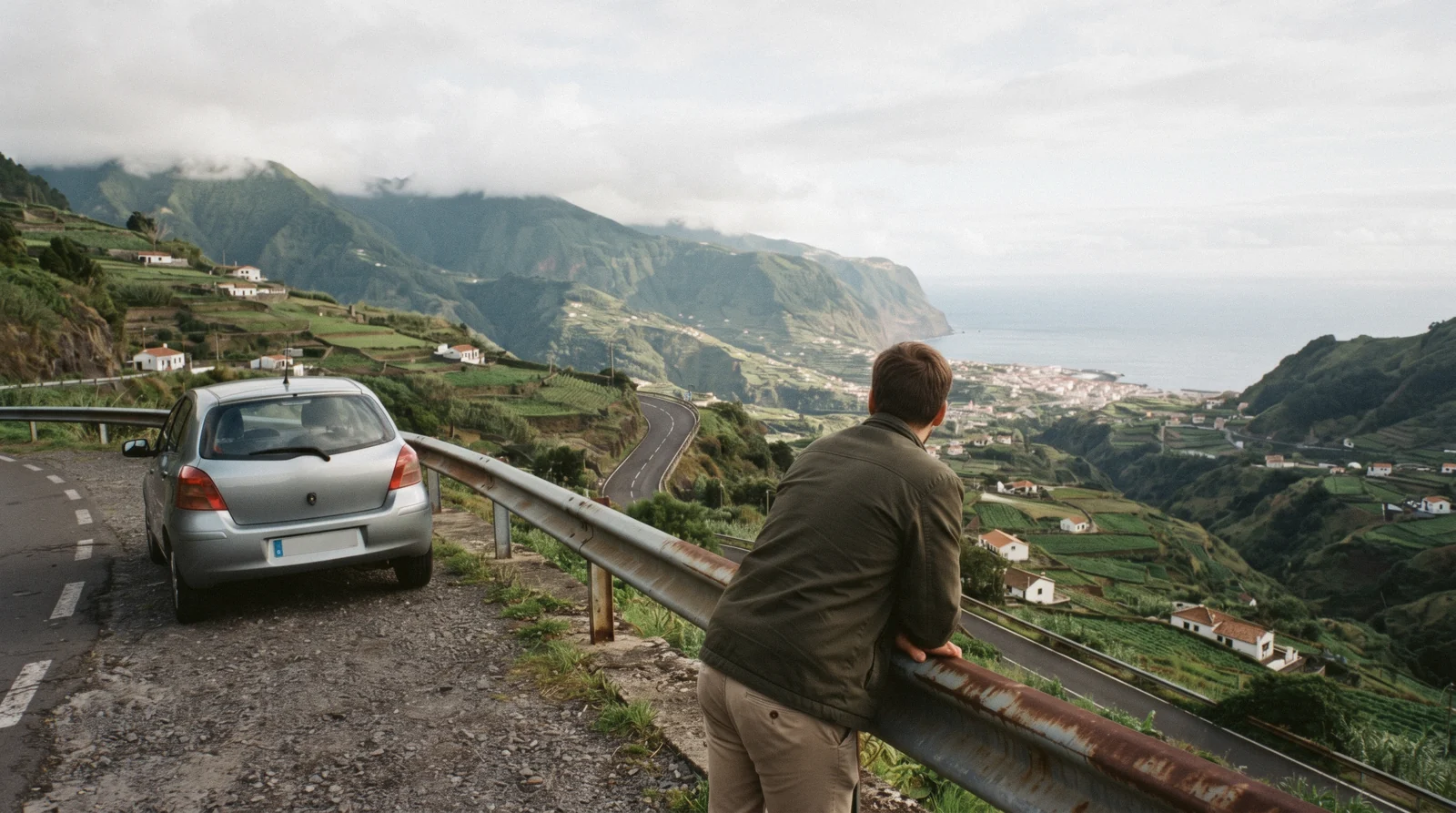
The short-stay plan that keeps one sunrise and one levada and drops the rest.
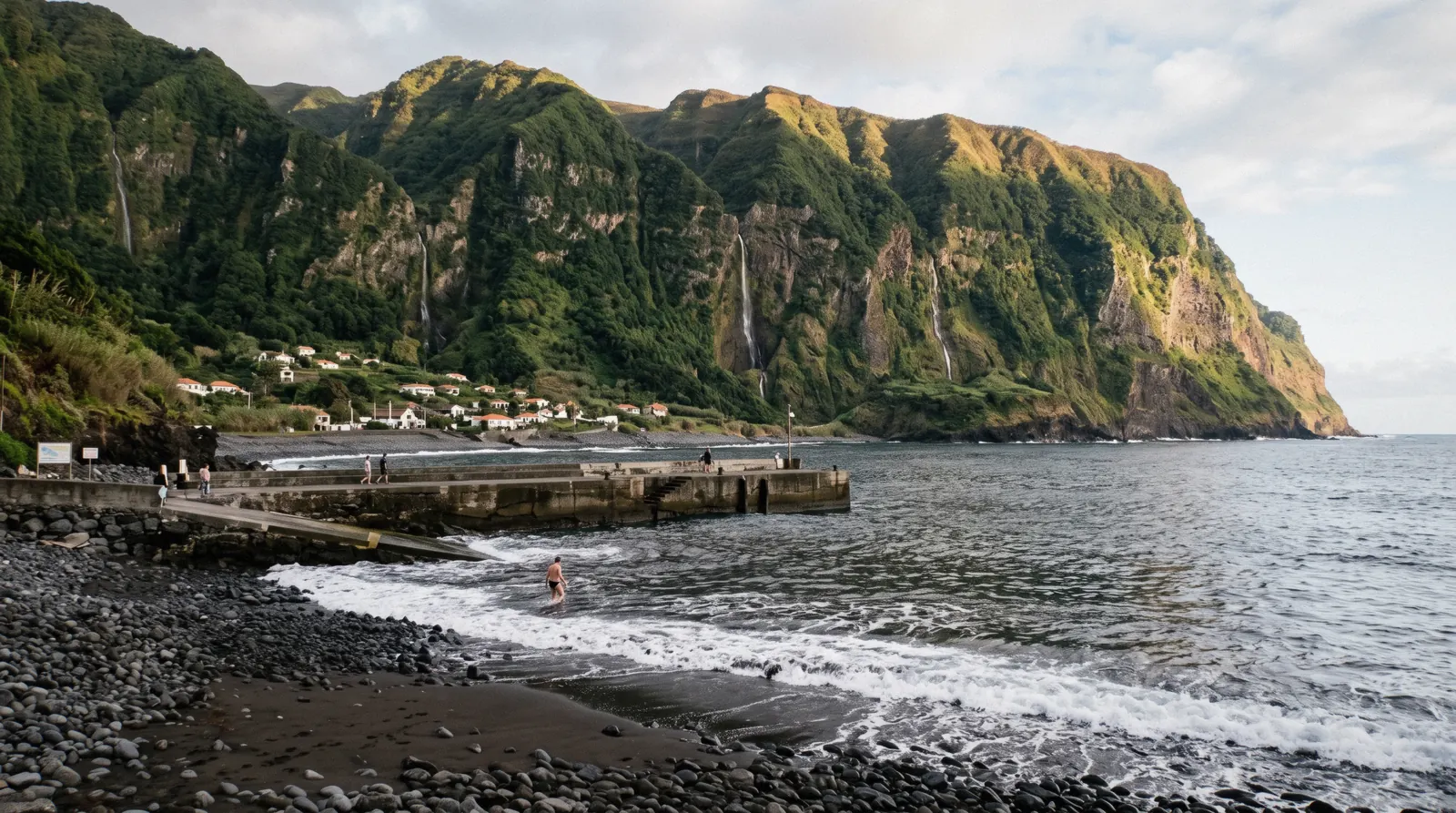
The balanced plan that covers both ends of the island without rushing.
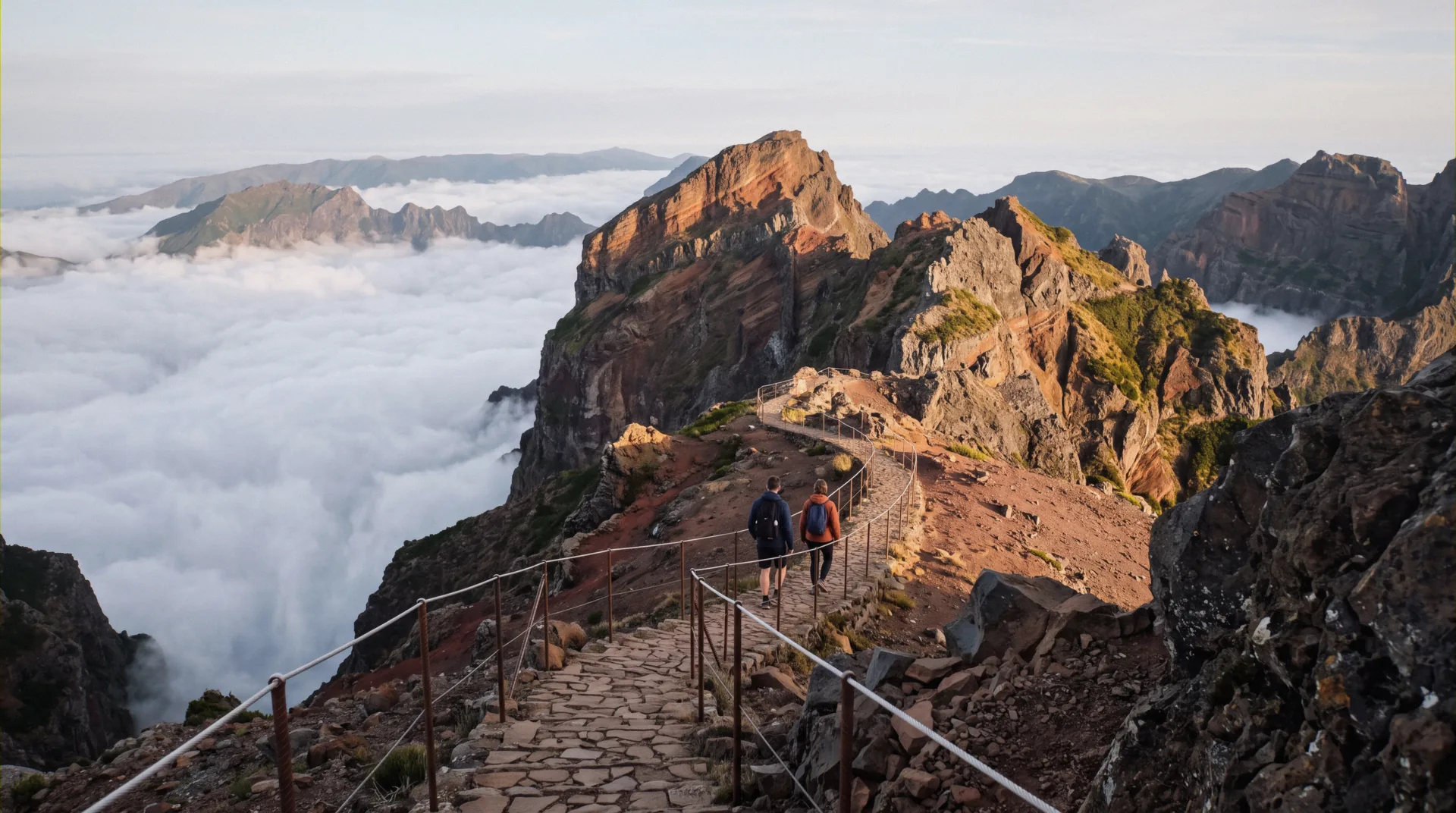
A week with a second base, two or three trails and a day on the water.
The sea is half the island's story, and the boat trips leave from Funchal marina. The whale watching guide explains the seasons, and the ferry page covers Porto Santo.
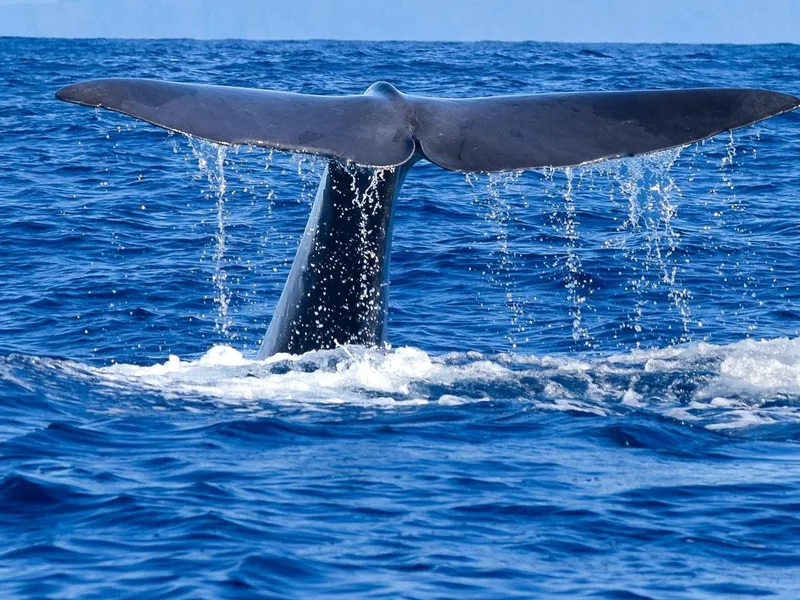 from $69.00
A small-group boat tour with naturalist or marine biologist guides and land-based spotters, run under the operator's own animal welfare rules.
Check Availability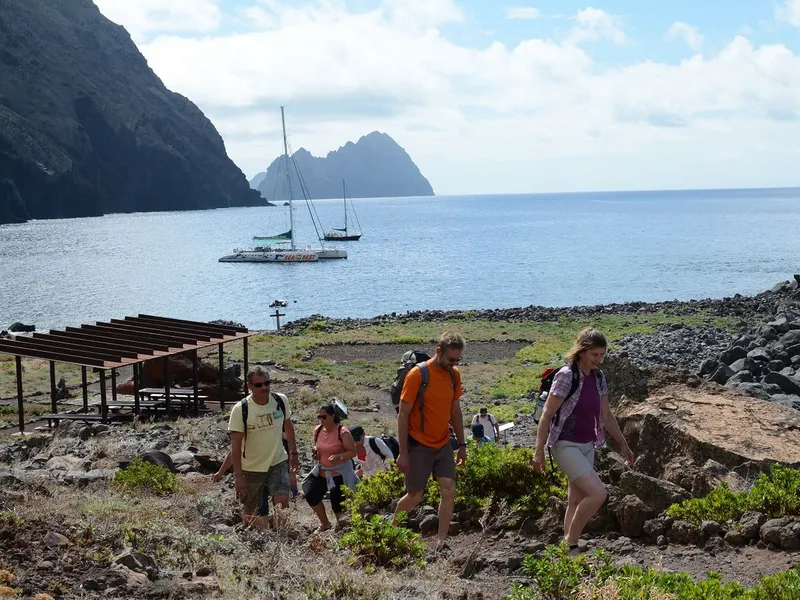 from $103.00
A full-day catamaran trip from Funchal out to the uninhabited Desertas Islands, with lunch served on board.
Check Availability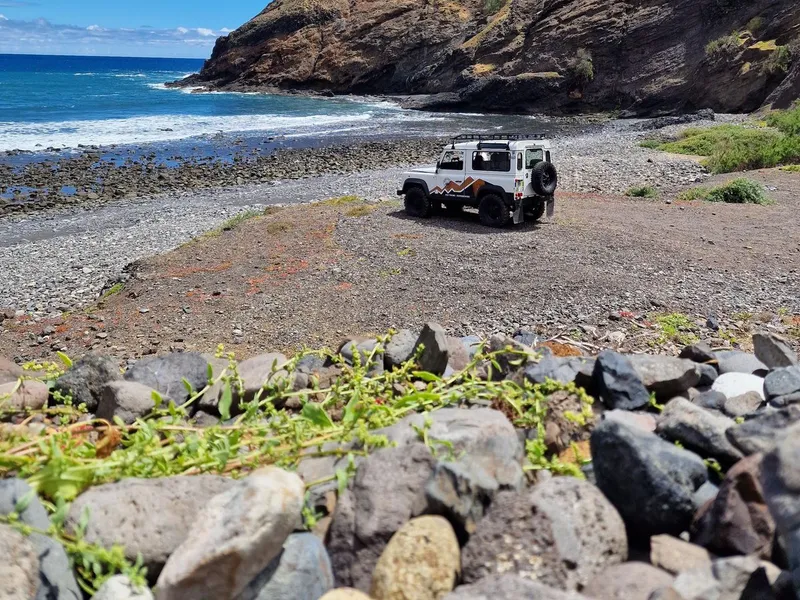 from $57.00
A 4x4 tour of Porto Santo's highlights, including its 9km golden-sand beach, with hotel pickup once on the island.
Check AvailabilityPrices, ratings and details are the platform's own. dollar figures are the listed prices — the platform bills in your account's currency.
Short answers to the things first-time visitors ask last and should ask first.
The single emergency number for police, rescue and medical help is 112, free from any phone. In Funchal the usual city precautions apply. On the island, the trail edges and cliff paths are where visitors get hurt, so treat them with more respect than the streets. The full safety and health rundown for Madeira
You land near Santa Cruz, east of the capital, and the expressway covers the run into the city. Buses, taxis and transfer services all work the route. The right choice depends on your arrival hour and your luggage. Airport transfers, buses and taxis explained
Yes, the toboggan, the cable cars and the lava pools are reliable hits with children. The pool at Porto Moniz charges nothing for children aged 3 and under, and the Monte cable car is free under 7. Steep trail edges are the one thing to plan around. Madeira with kids, the practical page
The coast and the mountains often have different weather on the same day, so a cloudy summit can sit above a dry Funchal. The city also holds markets, wine lodges and museums that work in the rain. The rain-day page lists them. A full list of rainy day options
Madeira gives you one dramatic mountain island with big vertical walking and warm dry summers. The Azores spread volcanic variety across nine islands and need more internal travel. Choose by how much moving around you want to do. Madeira or the Azores, compared honestly
The Flower Festival runs from 29 April to 30 May 2027 in Funchal, with the main allegorical parade on 2 May. Book rooms early for that stretch, because the city fills. The events page lists the rest of the year too. All Madeira festivals and dates
Yes, if you like walking. The island's headline sights are trails, levada walks, peaks that rise above the clouds on Pico do Arieiro and lava rock pools at Porto Moniz, not long sandy beaches. Add the UNESCO-listed laurel forest, inscribed in 1999, and a working capital city, and the island rewards a week easily.
Five days is the honest minimum for the city, one peak day, one levada and the north-west, as the table on how long Madeira needs shows. Three days forces hard choices and seven lets you breathe. The full working is on Madeira in 5 days.
For most walkers it is April to June or September. On the IPMA 1991-2020 normal for Funchal, the average daily high runs 21 to 24°C from April to June and 27°C in September, and June to August are almost dry. The Atlantic Festival fills June with fireworks and the Flower Festival fills May. The month-by-month reasoning is on the best time to visit Madeira.
Yes. Since 1 January 2026 every classified trail needs a booked slot on the SIMplifica portal, at $5.17 (€4.50) for most trails and $12.06 (€10.50) for the full PR1 crossing. Same-day and next-day bookings are possible, and IFCN takes no bookings at its offices. The fees, passes and exemptions are all on Madeira trail fees.
For a first trip, Funchal, because every tour, bus and airport link runs through it and the old town is walkable. On a week or more, add a second base in the west or north to cut the driving. Compare areas on where to stay in Madeira and the city itself on Funchal.
Three visitor films that show the drive times, the trail edges and the weather changes between the coast and the peaks, which no map shows.
A week-long run through the island's headline sights with honest driving times between them.
Video: Toucan TravellersPractical lessons on packing, roads and rentals, though trail rules have changed since it was filmed.
Video: JoeyPA visual countdown of the island's most photographed corners, useful for choosing your own shortlist.
Video: Joel and EmiliaVideos load from YouTube only when you press play. Trail fees and booking rules shown in older films may be out of date.
The office, phone and email above belong to the city's own visitor service, published on the official tourism site and checked on 2026-09-17 — they are not this site's contact details. To reach us, use the contact page.